

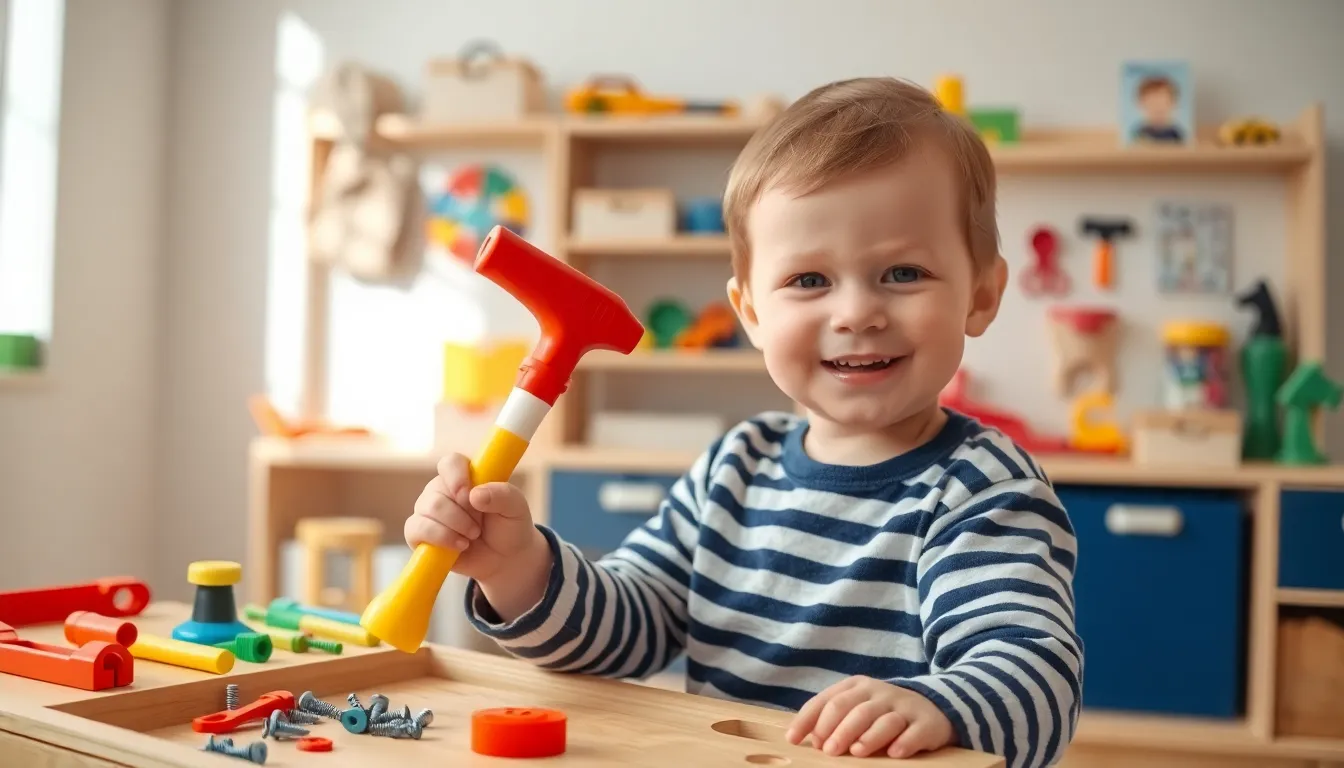
Toddlers tools help young children develop motor skills, confidence, and independence. From toy hammers to child-sized screwdrivers, these tools let little ones mimic adults and explore hands-on activities safely.
Choosing the right tools for toddlers matters. The best options fit small hands, encourage learning through play, and meet safety standards. This guide covers why toddlers tools work so well, the types available, safety tips, and how to introduce tools to young children.
Table of Contents
ToggleKey Takeaways
- Toddlers tools develop fine motor skills, independence, and cognitive abilities through hands-on play.
- Toy tools work best for children 18 months to 3 years, while real child-sized tools suit supervised projects for ages 3 and up.
- Always choose age-appropriate, non-toxic toddlers tools and check for recalls before purchasing.
- Start with one or two simple tools, demonstrate their use, then let your child explore freely.
- Create purpose-driven projects together to keep toddlers engaged and build confidence through encouragement.
- Establish regular “tool time” sessions to create meaningful practice opportunities and strengthen parent-child bonds.
Why Toddlers Benefit From Using Their Own Tools
Toddlers tools offer more than entertainment. They support healthy development in several key areas.
Fine Motor Skill Development
Gripping, twisting, and hammering strengthen the small muscles in a toddler’s hands and fingers. These movements prepare children for writing, buttoning clothes, and using utensils. When toddlers use tools sized for their hands, they practice coordination without frustration.
Building Independence and Confidence
Toddlers want to do what adults do. Giving them their own tools lets them participate in real activities. A child who “helps” fix something with a toy wrench feels capable and proud. This sense of accomplishment builds self-esteem early.
Cognitive Growth
Tools teach cause and effect. When a toddler hits a peg with a hammer and it moves, they learn that actions produce results. Problem-solving skills develop as children figure out which tool works best for a task.
Encouraging Focus and Patience
Using tools requires concentration. Toddlers must slow down, aim carefully, and repeat motions. These activities naturally extend attention spans. Kids who practice with tools often show improved focus in other areas too.
Toddlers tools also create opportunities for quality time with caregivers. Working on a project together, even a pretend one, strengthens bonds and opens conversations.
Types of Tools Designed for Toddlers
Parents can choose from two main categories of toddlers tools: toy versions for imaginative play and real tools scaled down for small hands.
Toy Tools for Pretend Play
Toy tool sets dominate the market for good reason. They’re safe, colorful, and perfect for open-ended play.
Popular toy tool options include:
- Plastic hammers and wrenches: Lightweight and easy to grip. Great for pounding benches and building blocks.
- Tool benches with accessories: These stations come with screws, bolts, and multiple tools. Children can spend hours “building” projects.
- Soft fabric tool sets: Ideal for younger toddlers. No hard edges, and they’re machine washable.
- Electronic toy drills: Battery-powered drills that spin and make sounds. Kids love the realistic feel.
Toy tools work best for children aged 18 months to 3 years. They allow free play without supervision concerns.
Real Tools Sized for Small Hands
For older toddlers (around age 3 and up), real tools designed for children offer a different experience. These aren’t toys, they actually work.
Examples include:
- Child-sized hammers: Shorter handles and lighter heads make striking easier and safer.
- Screwdrivers with thick grips: Easier for small fingers to hold and turn.
- Hand-powered drills: No batteries needed. Children turn a crank to drill small holes.
- Safety scissors and saws: Blunted edges allow cutting without serious injury risk.
Real toddlers tools suit supervised projects like woodworking kits or simple repairs. They teach practical skills and proper tool handling from an early age. Brands like Stanley Jr. and Lakeshore Learning offer quality options specifically for young children.
Safety Considerations When Choosing Toddler Tools
Safety comes first with any toddlers tools. Even toy versions require some precautions.
Age-Appropriate Selection
Always check the manufacturer’s recommended age. Tools marked for ages 3+ may have small parts that pose choking hazards for younger children. Match the tool to your child’s developmental stage.
Material Quality
Look for non-toxic materials, especially for toy tools toddlers might put in their mouths. BPA-free plastics and untreated wood are safe choices. Avoid tools with sharp metal edges or loose components.
Supervision Requirements
Toy tools generally allow independent play. Real tools need adult supervision, always. Even child-safe hammers can cause bumps and bruises without guidance. Set clear rules about when and how tools get used.
Storage Solutions
Teach toddlers to put tools away after use. This prevents tripping hazards and keeps real tools out of reach when adults aren’t around. A dedicated toolbox or hanging organizer makes cleanup easy and teaches responsibility.
Check for Recalls
Before purchasing any toddlers tools, check the Consumer Product Safety Commission website for recalls. Defective products occasionally reach shelves. A quick search protects your child.
Well-designed toddlers tools minimize risks while maximizing learning opportunities. Investing in quality products pays off in durability and peace of mind.
How to Introduce Tools to Toddlers
Introducing toddlers tools works best with patience and a step-by-step approach.
Start Simple
Begin with one or two basic tools rather than an entire set. A hammer and pounding bench make excellent first choices. Too many options overwhelm young children.
Demonstrate First
Show your toddler how the tool works before handing it over. Use slow, clear motions. Say what you’re doing: “I’m hitting the peg with the hammer. Now it goes down.” Toddlers learn by watching and copying.
Let Them Explore
After demonstrating, let children experiment freely. They might use tools in unexpected ways, that’s fine. Creativity matters more than “correct” technique at this age. Guide gently without taking over.
Create Projects Together
Simple projects give toddlers tools a purpose. Build a birdhouse with a kit. “Fix” a cardboard box car together. Assemble wooden blocks into a structure. Purpose-driven play keeps children engaged longer.
Praise Effort, Not Results
Focus on what your toddler is doing, not what they produce. Say “You’re working so hard.” instead of “That doesn’t look right.” Encouragement builds confidence and keeps kids coming back to their tools.
Establish Tool Time
Consider setting aside regular “tool time” sessions. Predictable routines help toddlers anticipate and prepare for activities. Even 15 minutes creates meaningful practice opportunities.
Patience matters here. Some toddlers take to tools immediately. Others need time to warm up. Follow your child’s lead and keep sessions fun.

